
Leading the Nation
Timeline to Reform



1533
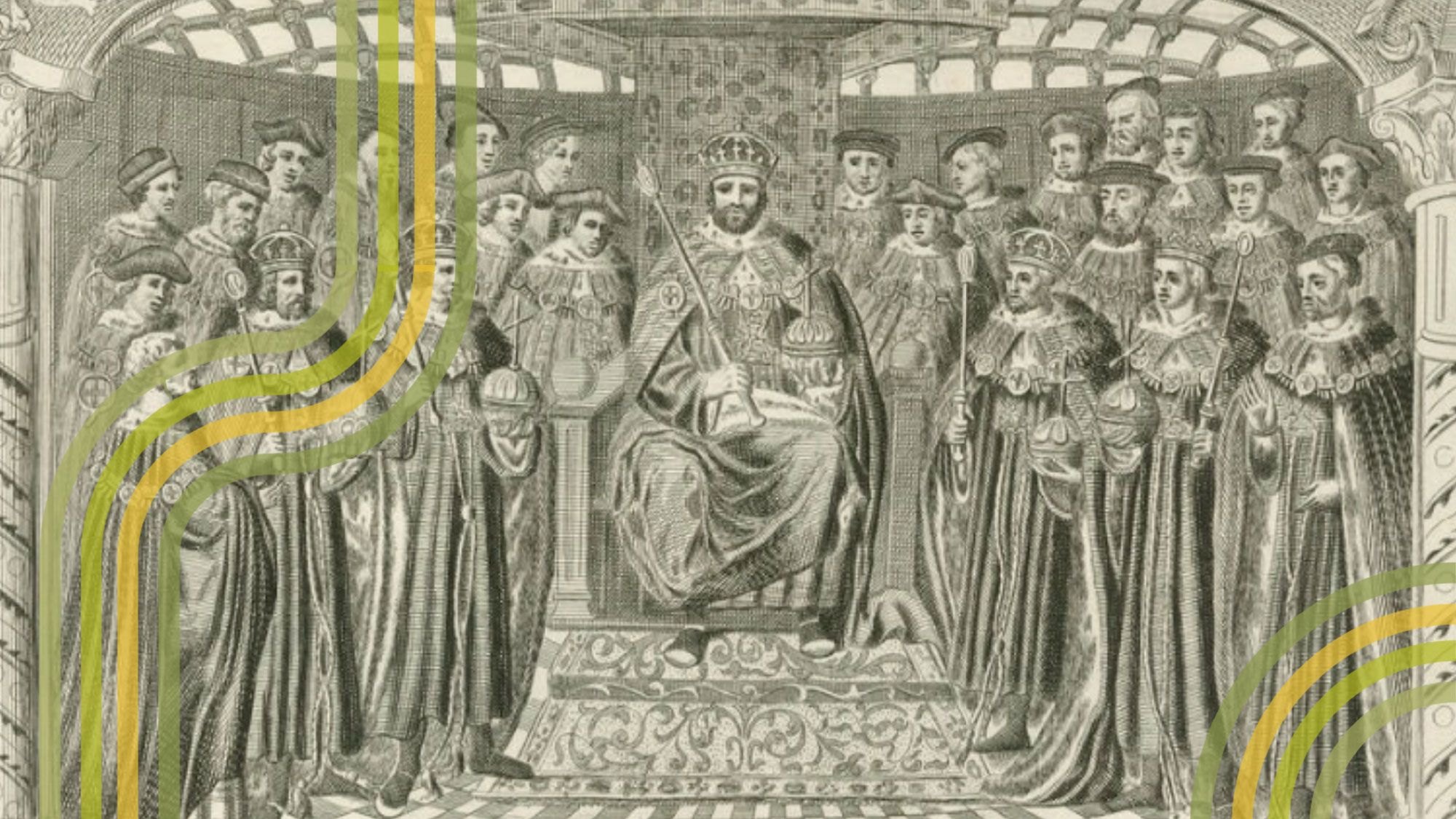
In England, Henry VIII criminalised the act of buggery, and it was punishable by death. Sexual acts between women were never subject to the law.

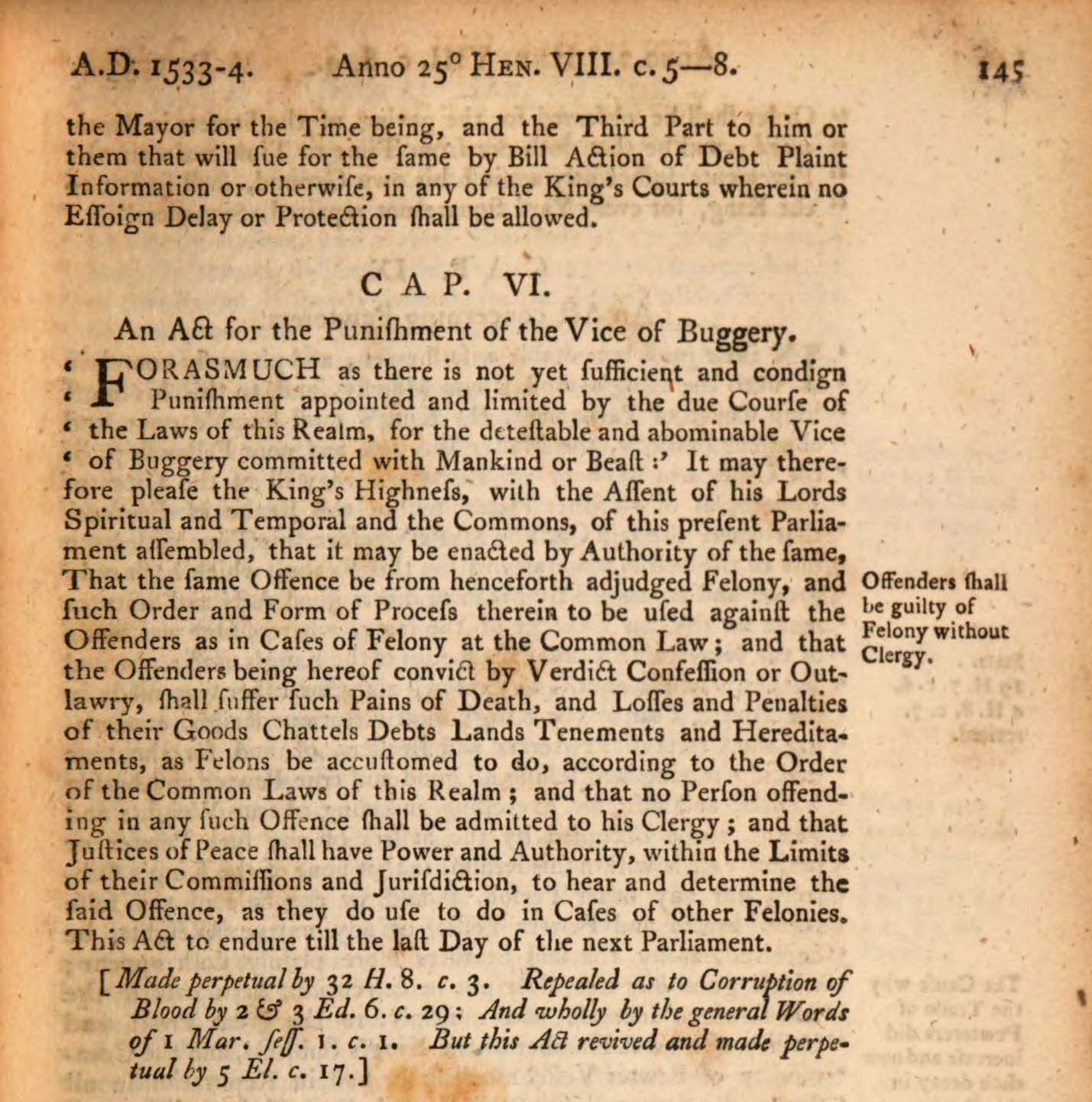
The Statutes at Large, of England and Great Britain, 1533-34. Hathi Trust Digital Library (jump to 191)
The Statutes at Large, of England and Great Britain, 1533-34. Hathi Trust Digital Library (jump to 191)
1836
The colonists brought English law with them when South Australia was established.
1859
The death sentence for buggery in South Australia was replaced with life imprisonment, later reduced to a maximum of ten years in jail.
1935
South Australian law now made it a crime for men to engage in sexual acts with other men, or even attempt to - whether in public or in the privacy of one’s home. These were the restrictions in place when Dr Duncan arrived in 1972.





1950s
Male homosexuality in Australia is a major social taboo
Many such men are forced to live in secrecy
Fear of difference and a desire to protect traditional social norms made life harder for homosexual men. If discovered, they could be disowned by their family, rejected by their friends, sacked by their employer or evicted by their landlord. Blackmail was an ever-present threat.
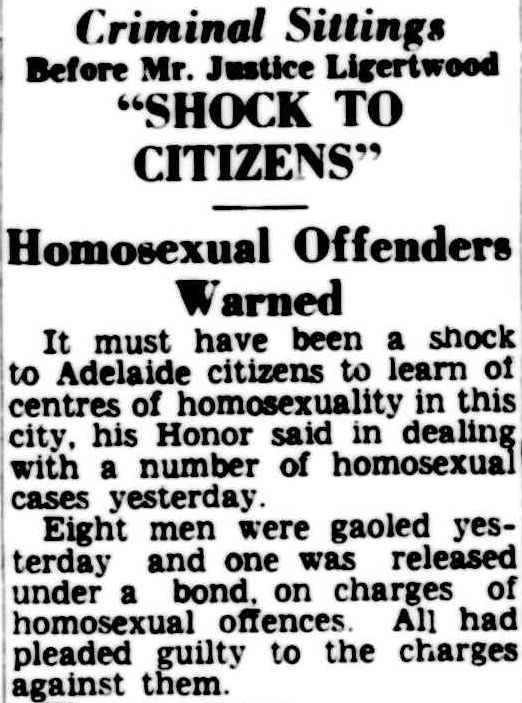
Police used loitering laws to arrest men in public places, especially ‘beats’, where they could meet covertly. Those arrested could be named in the press. Some men took their own lives, while others lived with the lasting shame of imprisonment.
|
Advertiser, 27 April 1950 Advertiser, 27 April 1950 |
Advertiser, 27 April 1950 Advertiser, 27 April 1950 |


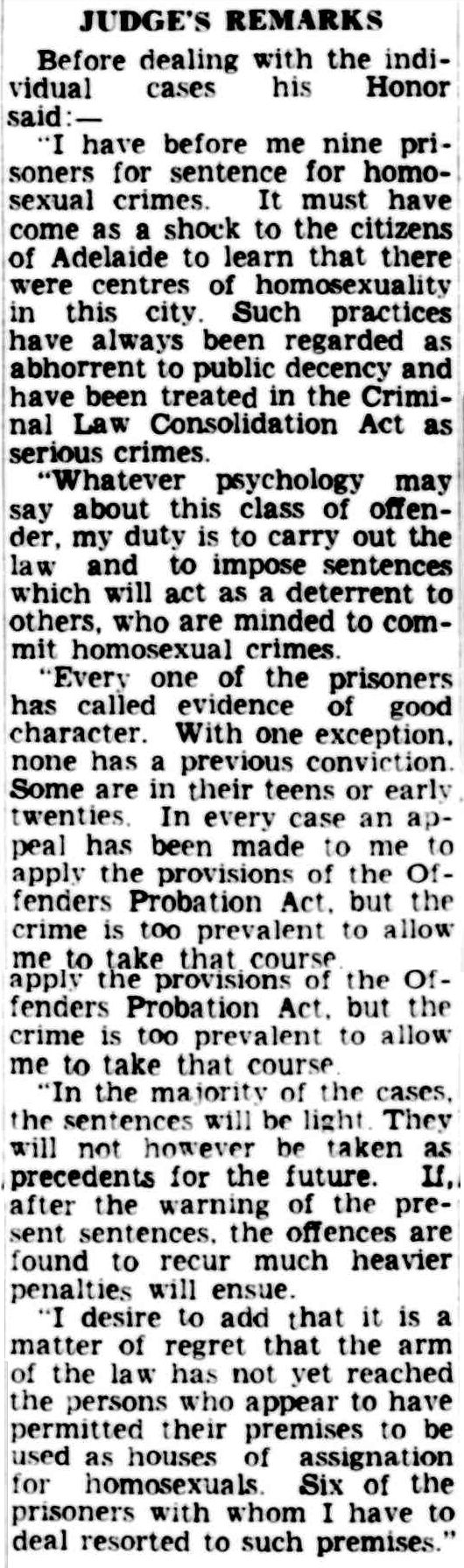
This did not prevent a vibrant subculture from thriving in Adelaide, as in other Australian capital cities. Men found ways of meeting in bars and cafes, of having parties at home and in community spaces, or of doing the beats. Some formed lifelong relationships.
1953
Mary’s Own Paper
The laws around male homosexuality are challenged
Mary's Own Paper was a monthly news-sheet dedicated to exploring and debating new ideas and social issues. Published in Adelaide by the progressive Max Harris, it was available at his Mary Martin Bookshop in the city.
In January 1953, Mary’s Own Paper printed one of the first known calls for social justice for homosexual citizens in Australia. It was in response to a report from a committee commissioned in 1949 by the State Government to investigate methods of treating 'sex offenders'.
The anonymous writer argued that changing the law would reduce blackmail and prostitution, and that private consenting acts between adult males was their own business.

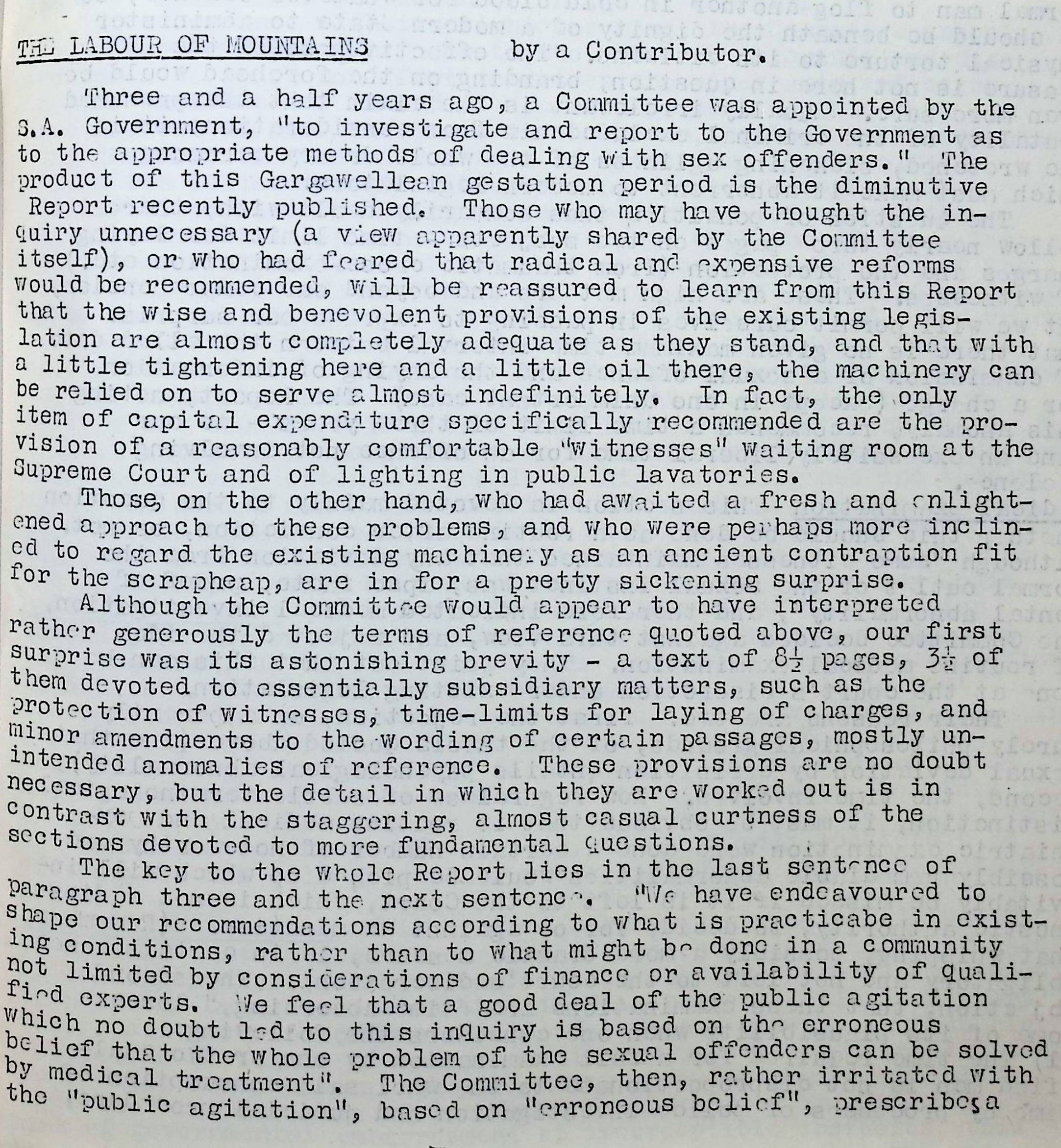
'The Labour of Mountains', Mary's Own Paper, January 1953. SLSA: Periodicals 050 M c
'The Labour of Mountains', Mary's Own Paper, January 1953. SLSA: Periodicals 050 M c
1957
Wolfenden Report
Britain begins its own process towards gay law reform
Published in September 1957, the Wolfenden Report was the result of three years of work by the British Government’s Committee on Homosexual Offences and Prostitution.
It was prompted by concern over the growing number of homosexual men who were being jailed - more than a thousand each year by 1954. The report argued that private morality was not the business of the law and recommended that homosexual acts between two consenting adults in private should no longer be a crime.
The report was later used to support the introduction of gay law reform in South Australia.

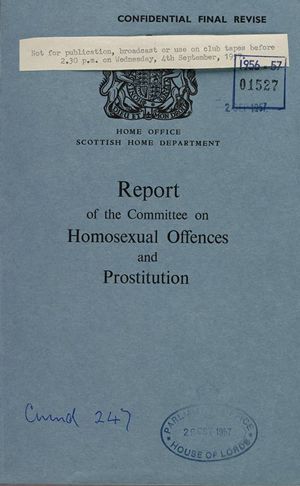
'Report of the Committee on Homosexual Offences and Prostitution'. Human Dignity Trust website
'Report of the Committee on Homosexual Offences and Prostitution'. Human Dignity Trust website





1960s
Grassroots activism begins in South Australia
New lobby groups start to push for social reform
Among them were the Humanist Society of South Australia and the South Australian Council for Civil Liberties. They organised debates, invited guest speakers, issued public statements and lobbied state politicians.
Over the coming years, the rights of homosexual men became a focus of their efforts.

Humanist Society badge. SLSA: PRG 1491/25/97
Humanist Society badge. SLSA: PRG 1491/25/97
1965
Don Dunstan takes the lead
The first but thwarted attempt at gay law reform in South Australia
The state's newly appointed Attorney-General, Don Dunstan, sought approval to introduce three major changes to South Australia’s criminal law: to abolish the death penalty; remove the offence of misprision of felony (failure to report a crime); and decriminalise sexual acts between consenting adult men.

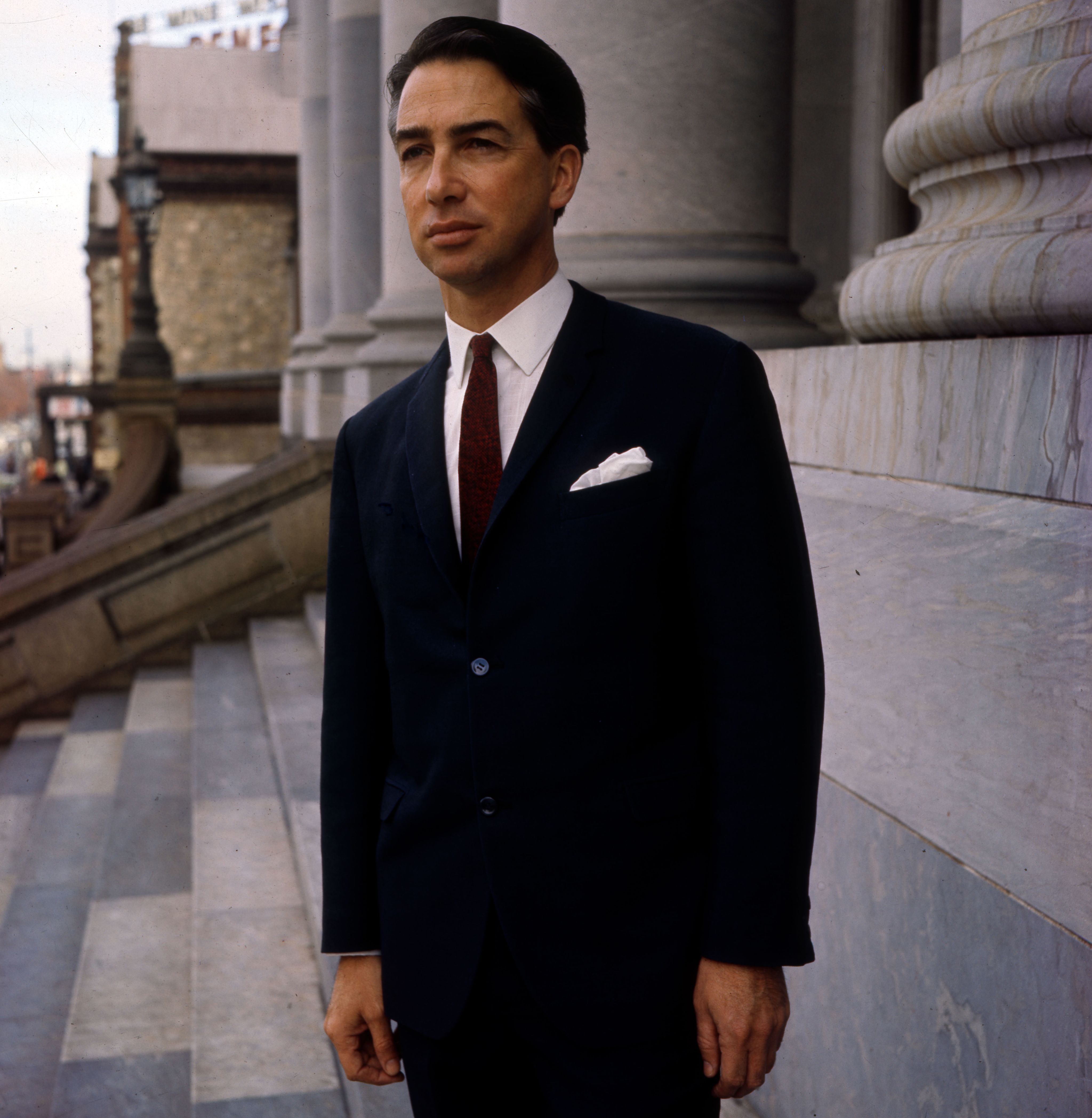
Don Dunstan, circa 1968. Photographer Vic Grimmett. SLSA: PRG 1662/5/29
Don Dunstan, circa 1968. Photographer Vic Grimmett. SLSA: PRG 1662/5/29
While Cabinet and the Labour Caucus initially agreed, some Caucus members later changed their mind. Gay lay reform was too advanced for its time and Dunstan was forced to withdraw his proposal. If he had had his way, South Australia would have been a decade ahead of its eventual 1975 legislation.

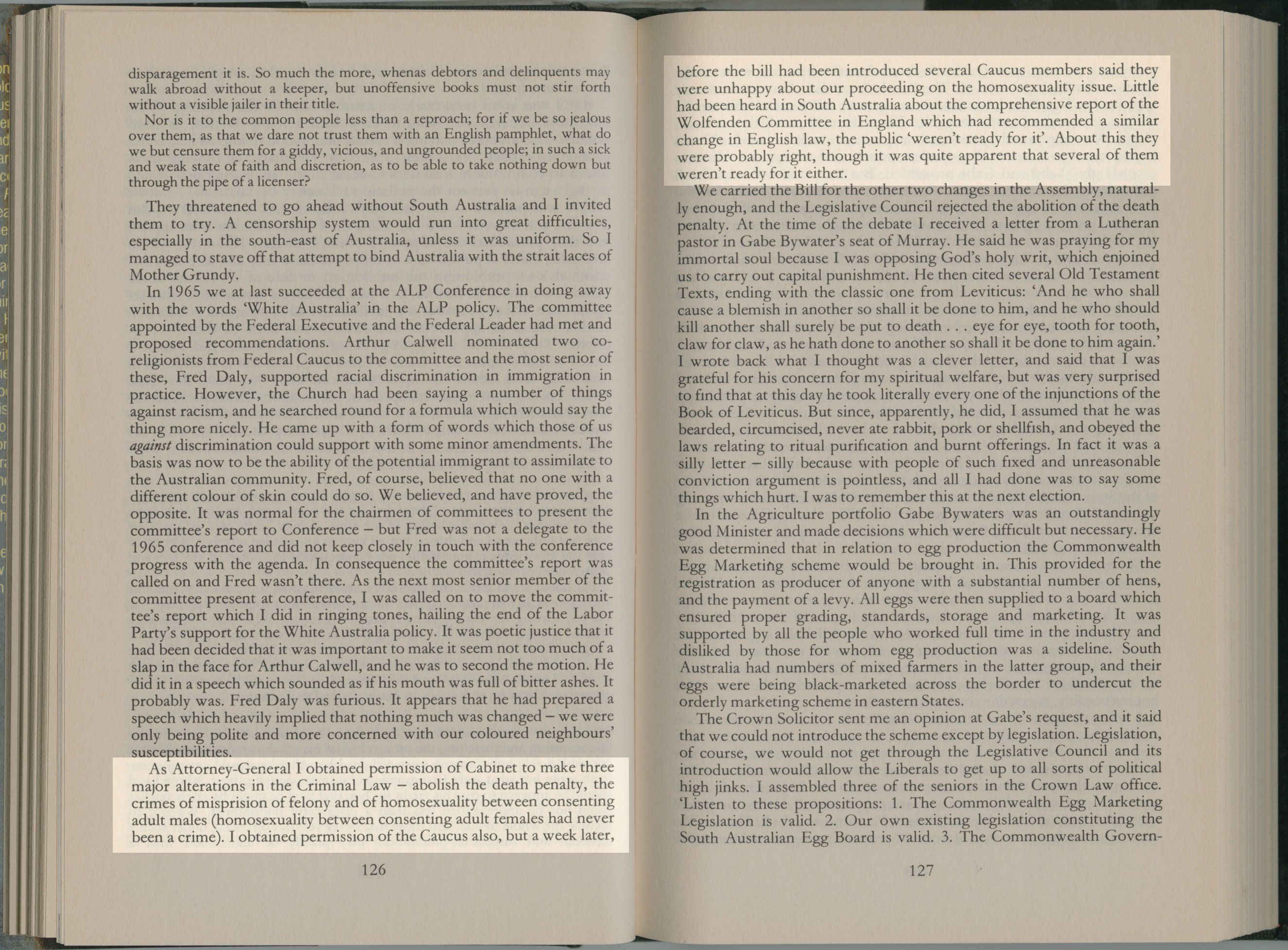
Don Dunstan, Felicia: The Political Memoirs of Don Dunstan (1982). SLSA: 994.2306.D926
Don Dunstan, Felicia: The Political Memoirs of Don Dunstan (1982). SLSA: 994.2306.D926
1966
The British Parliament acts
England and Wales embrace gay law reform
Nearly a decade after the Wolfenden Report, a Bill was introduced into the British Parliament to allow consensual acts in private between two men (and only two) over the age of 21. This was even though the age of consent for heterosexuals was 18.
The Bill finally passed in 1967 and applied only to England and Wales. Scotland and Northern Ireland did not enact reform until the 1980s.

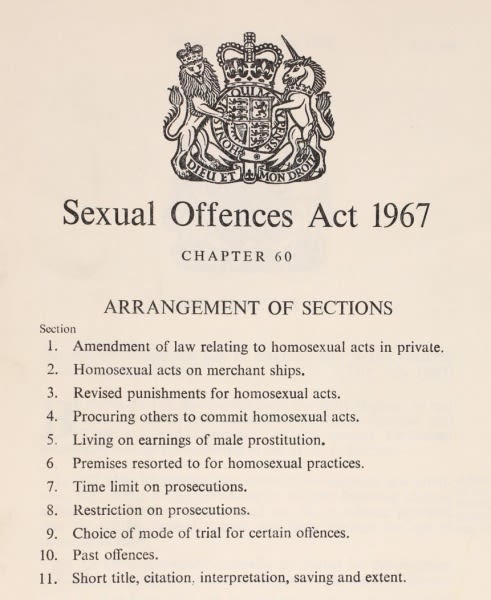
Sexual Offences Act 1967. LGBT Archive
Sexual Offences Act 1967. LGBT Archive


1971
CAMP opens in South Australia
A community starts to organise
With discriminatory laws still in place across Australia, homosexual men and women began to fight back. A lobby group called Campaign Against Moral Persecution (CAMP – then the Australian vernacular for a gay man) was launched in New South Wales in February 1971. By September, a South Australian branch was up and running.

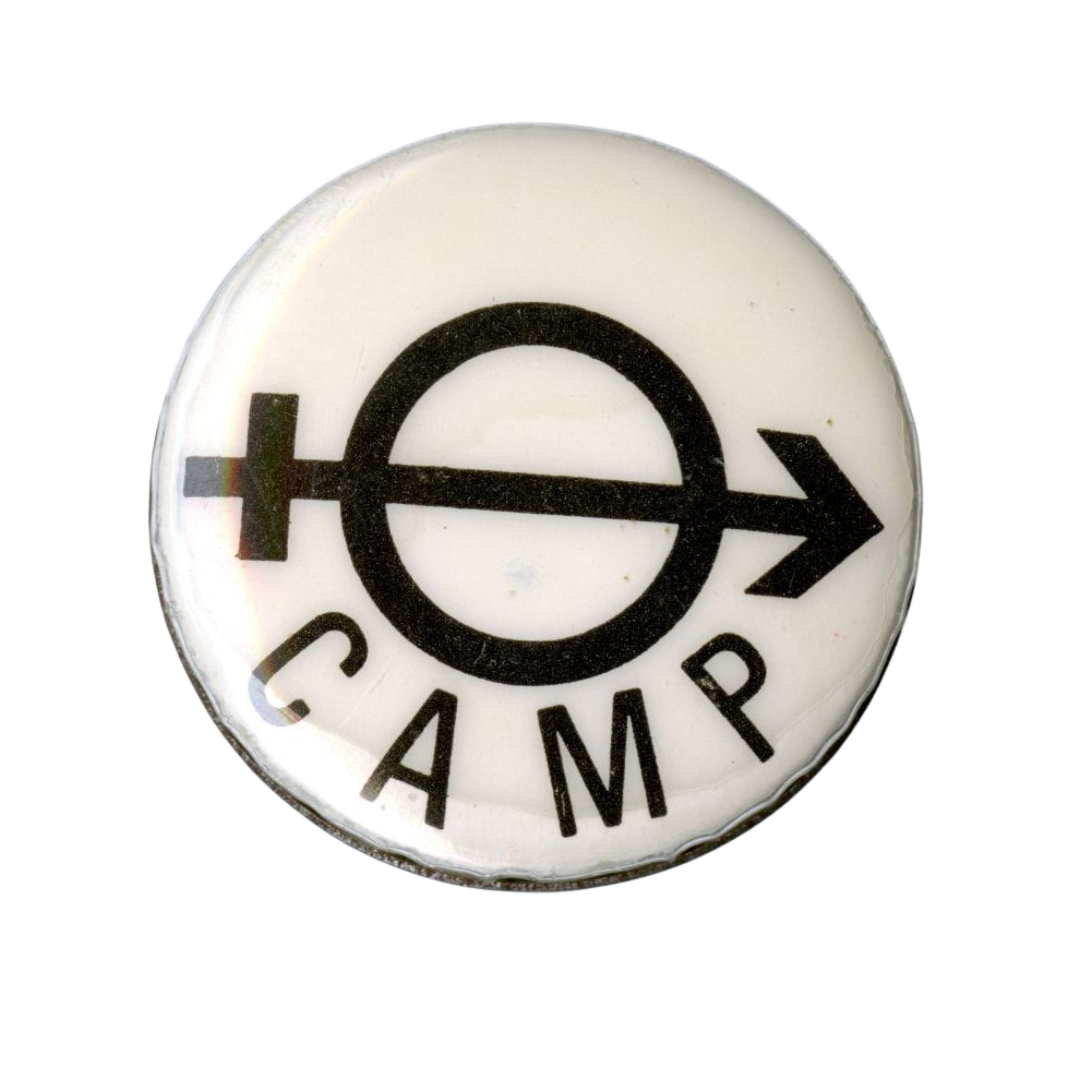
CAMP badge. SLSA: D 8754(L)/24
CAMP badge. SLSA: D 8754(L)/24
CAMP formed working groups, including one focussed on gay law reform. In the Advertiser, the group argued that existing laws fuelled blackmail and violence and allowed employers to discriminate against homosexuals.
Recognising the influence of the Church on public opinion, CAMP also reached out to the religious community. The Anglican Bishop of Adelaide indicated he would not oppose relaxing the law, a stance supported by Congregational and Methodist leaders. In contrast, the Catholic Archbishop rejected any change, calling male homosexual acts ‘immoral’.
CAMP had no idea that, within months, gay law reform would be on the social and political agenda in South Australia.

 Built with Shorthand